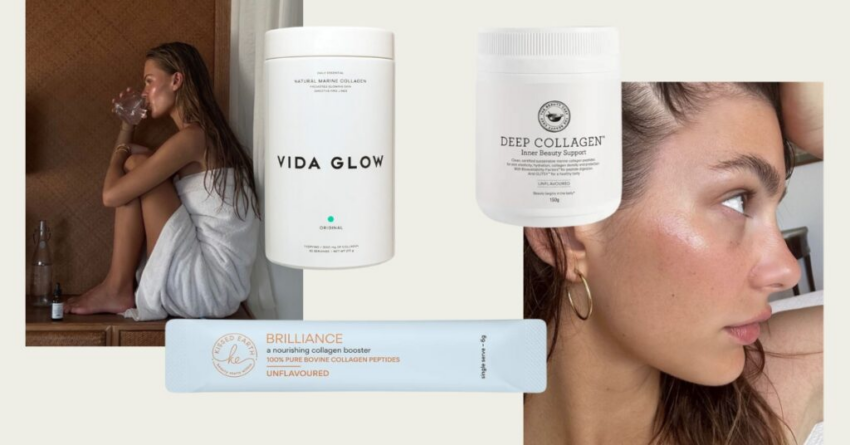
Choosing a collagen powder can feel overwhelming, especially when every label promises something different. While individual preferences will vary, there are a few key things to consider when comparing options.
1. Collagen Type
Collagen exists in many forms, but most supplements focus on a few specific types. Type I is the most abundant in the body and commonly found in marine and bovine sources. Type II is typically sourced from chicken cartilage, while Type III often appears alongside Type I in skin and connective tissues. Many formulations will indicate which types are included.
2. Format & Routine Fit
From powders and capsules to sachets and flavoured blends, collagen comes in a range of formats. Powders tend to be the most versatile — they can be stirred into water, coffee, smoothies or even baked goods. Consider what best suits your lifestyle and whether you’ll realistically use it every day.
3. Ingredient Transparency
Look closely at the ingredients list. Some collagen powders are made from a single source, while others include additional ingredients such as vitamin C, hyaluronic acid or biotin. If you’re choosing a flavoured variety, check for sweeteners, natural or artificial flavours, and allergens like dairy, soy or gluten.
4. Source Quality
Look for sourcing indicators such as “wild-caught,” “grass-fed,” or “pasture-raised.” These terms often reflect a greater emphasis on ingredient integrity. Many marine collagens are derived from fish skin, while bovine collagen typically comes from cow hide — brands that disclose sourcing tend to offer better transparency.
5. Testing & Certification
Some brands subject their products to third-party testing to verify ingredient quality and purity. While this is not required in Australia, it’s one way to ensure the product aligns with the claims on the label. Look for certifications or supplier names (e.g. Gelita or VERISOL®) if you’re seeking additional assurance.